MSP NEWS Summer Course Highland to Ocean 2026 Successfully Held,...
Read More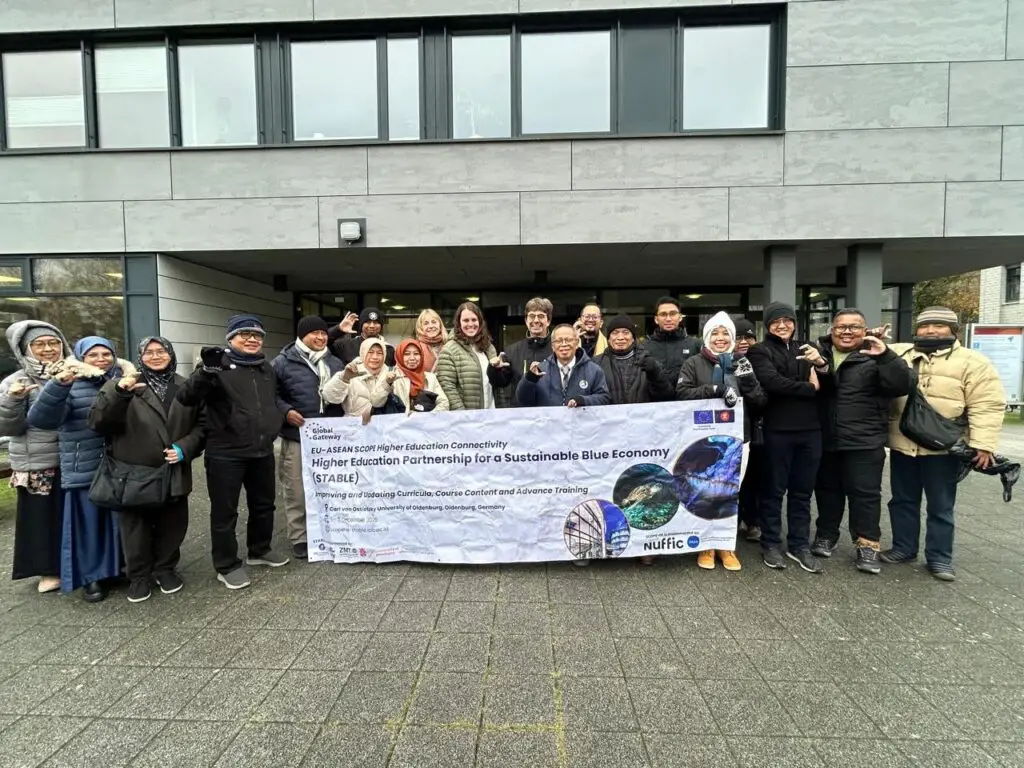
Oldenburg, Germany – Demonstrating its commitment to strengthening higher education and promoting sustainable marine and coastal development, the Faculty of Fisheries and Marine Sciences (FPIK), IPB University, through the STABLE (Higher Education Partnership for a Sustainable Blue Economy) Project, organized a series of academic activities at Carl von Ossietzky University Oldenburg, Germany, from 1–5 December 2025. The program focused on curriculum improvement, postgraduate course content development, and advanced training to strengthen academic excellence and international collaboration.
The STABLE Project is a strategic initiative under the EU–ASEAN SCOPE Higher Education Connectivity framework (DAAD, Nuffic). Led by Prof. Hefni Effendi, Professor at Faculty of Fisheries and Marine Sciences (FPIK), IPB University, and Head of the Department of Aquatic Resources Management (MSP). The three-year project (2025–2027) seeks to modernize and integration of blue economy in fisheries and marine science education while strengthening collaboration between ASEAN and European higher education institutions to support the transition toward a sustainable blue economy.
The workshop in Oldenburg and previously in ZMT Bremen brought together academic representatives from IPB University, Universiti Malaysia Terengganu (UMT), Carl von Ossietzky University Oldenburg, the Leibniz Centre for Tropical Marine Research (ZMT) Bremen, Groningen University, Bremen University. Participants collaborated to review postgraduate curricula, update course content based on Outcome-Based Education (OBE) principles, and exchange experiences on innovative teaching methods that integrate sustainability and the Sustainable Development Goals (SDGs).
The academic sessions featured discussions on a wide range of emerging topics relevant to the blue economy, including aquaculture, blue food, marine biotechnology, marine natural products, marine spatial planning, scientific diving, integrated multi-trophic aquaculture (IMTA), blue economy governance, and international research funding opportunities through Horizon Europe, Erasmus, and Euraxess. Participants also explored how these latest scientific developments could be incorporated into postgraduate teaching and future research collaborations.
The workshop also included collaborative sessions in which participants presented and evaluated master’s curricula and postgraduate course content from IPB University and UMT Malaysia. Through feedback from European experts, participants identified opportunities to align academic programs with international standards, enhance interdisciplinary learning, modernize teaching materials, and explore future initiatives such as joint master’s and doctoral programs, double degrees, and collaborative educational activities.
“We discussed future collaboration through joint research, student and staff exchanges, postgraduate education, international workshops, and collaborative initiatives on blue carbon, mangrove conservation, and sustainable coastal management” said Prof. Hefni Effendi
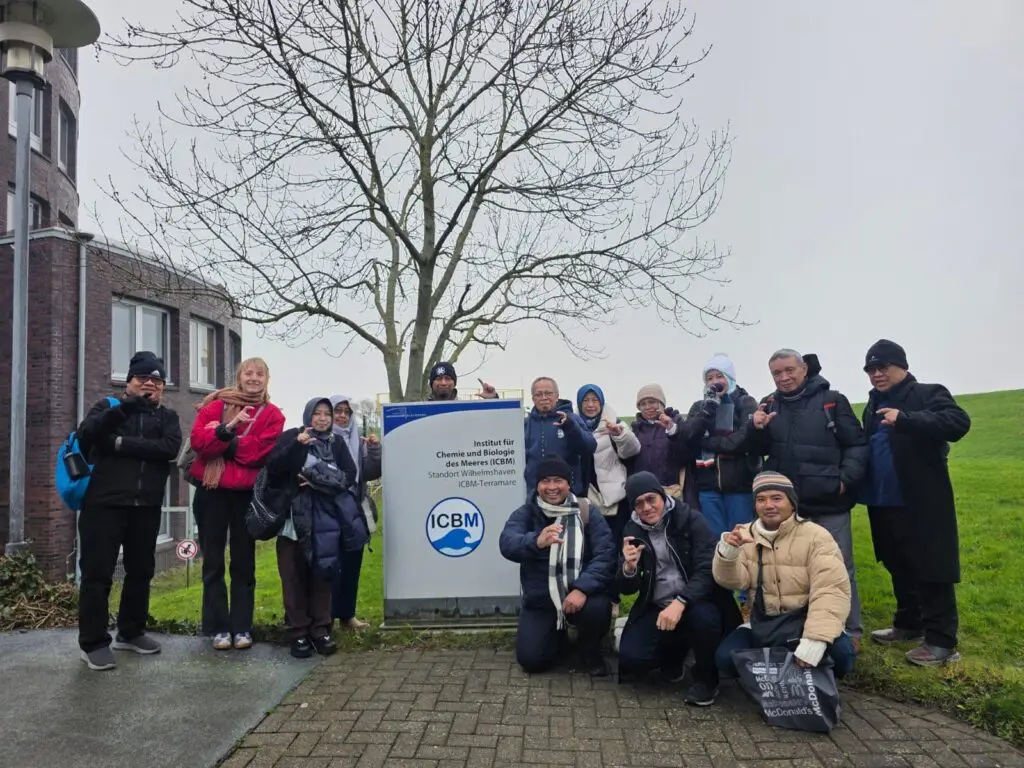
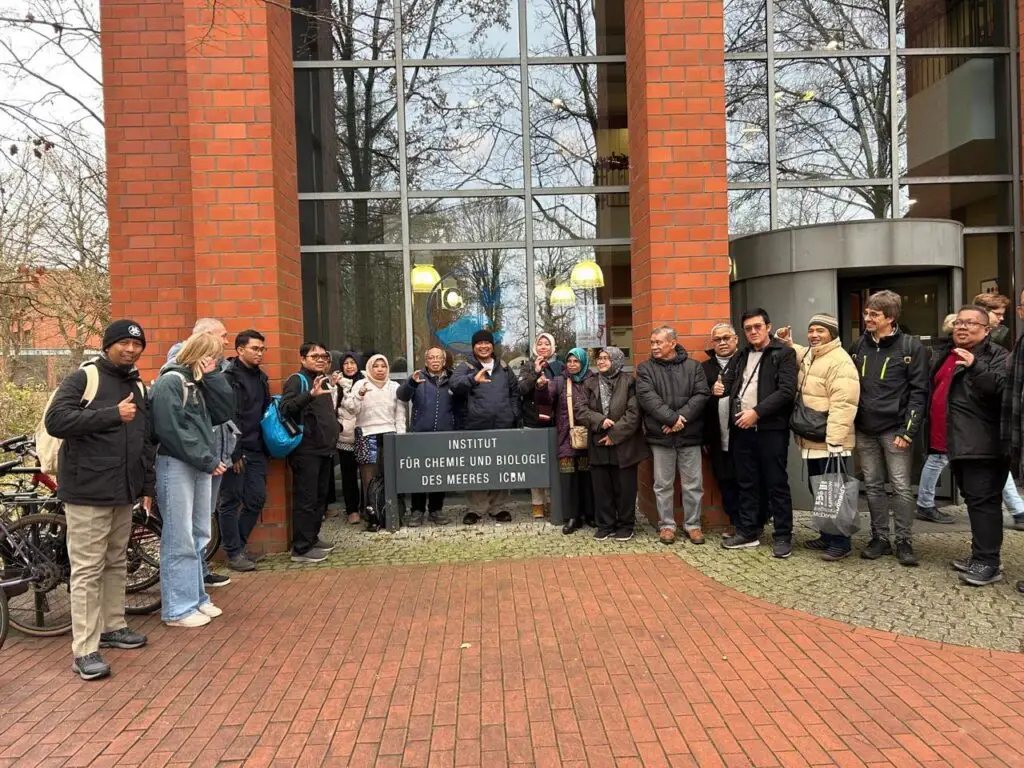
Beyond academic discussions, participants visited research facilities at Carl von Ossietzky University Oldenburg to gain firsthand experience with advanced research infrastructure supporting marine science and blue economy innovation. The visit complemented the workshop by providing practical insights into how cutting-edge research can be integrated into education and international scientific cooperation.
Prof. Hefni emphasized that the STABLE Project is designed not only to improve academic quality but also to establish long-term partnerships that benefit higher education institutions across ASEAN and Europe.
“Through the STABLE Project, we are building a stronger international academic network that enables knowledge exchange, curriculum modernization, and research collaboration. These partnerships will help prepare future graduates and researchers with the competencies needed to address global challenges in marine conservation, fisheries, and the sustainable blue economy” said Prof. Hefni Effendi.
The outcomes of the workshop are expected to strengthen postgraduate education, enrich teaching materials with the latest scientific knowledge, and expand opportunities for collaborative research and international mobility. By fostering closer cooperation among partner universities, the STABLE Project continues to contribute to developing globally competitive graduates and supporting sustainable marine and coastal development in the ASEAN region